For over 300 years, clarinetists have to deal with reeds - those thin pieces of cane that can make your music sound amazing or terrible depending on tiny differences. Ask any player, and you’ll hear the same story: one reed feels like magic, the next feels unplayable. This article dives into the most common clarinet reed questions, and uncovers a few surprising secrets.
Vienna cut reeds (Wiener Schnitt, Austrian cut) are a distinct family, not a variation on German reeds — how the cut is built, who makes one today, and how to match a box to your facing.
ANATOMY
What makes a reed a Vienna cut?
The Viennese sound concept starts with a wider bore — around 15.4 mm, against 14.6-15 mm on a German clarinet and 14.6–14.8 mm on a Boehm. That wider bore calls for a wider mouthpiece, and a wider mouthpiece calls for a wider reed.
Austrian mouthpiece facings then take it further: a narrower tip opening and a longer facing curve than German or Boehm facings, which demands a correspondingly thicker reed.
The result is the depth and darker colour associated with the Austrian style, along with the resistance needed to control a closed, long facing.
Manufacturers
MAKER #1
Pilgerstorfer
Widely used reeds in Austria.
Available models include: Vienna, Solist, Concerto, Sonata, Exquisit as well as the newer line, Morré Austrian Cut
Picking the brand is not enough here — the model within the family is what has to match your facing length and tip opening.
MAKER #2
Peter Leuthner
Two Austrian models made in Vienna — Wiener Schnitt Standard and Wiener Schnitt Professional — in a strength scale that runs past 6.
Widely stocked in Austria and a common default in Viennese conservatories and among professional players, which makes it the reed most Austrian players have already tried by the time they start looking for alternatives.
AW Woodwinds
 Shop the 211 Vienna Cut
2026 NEW DEVELOPMENT
AW Woodwinds
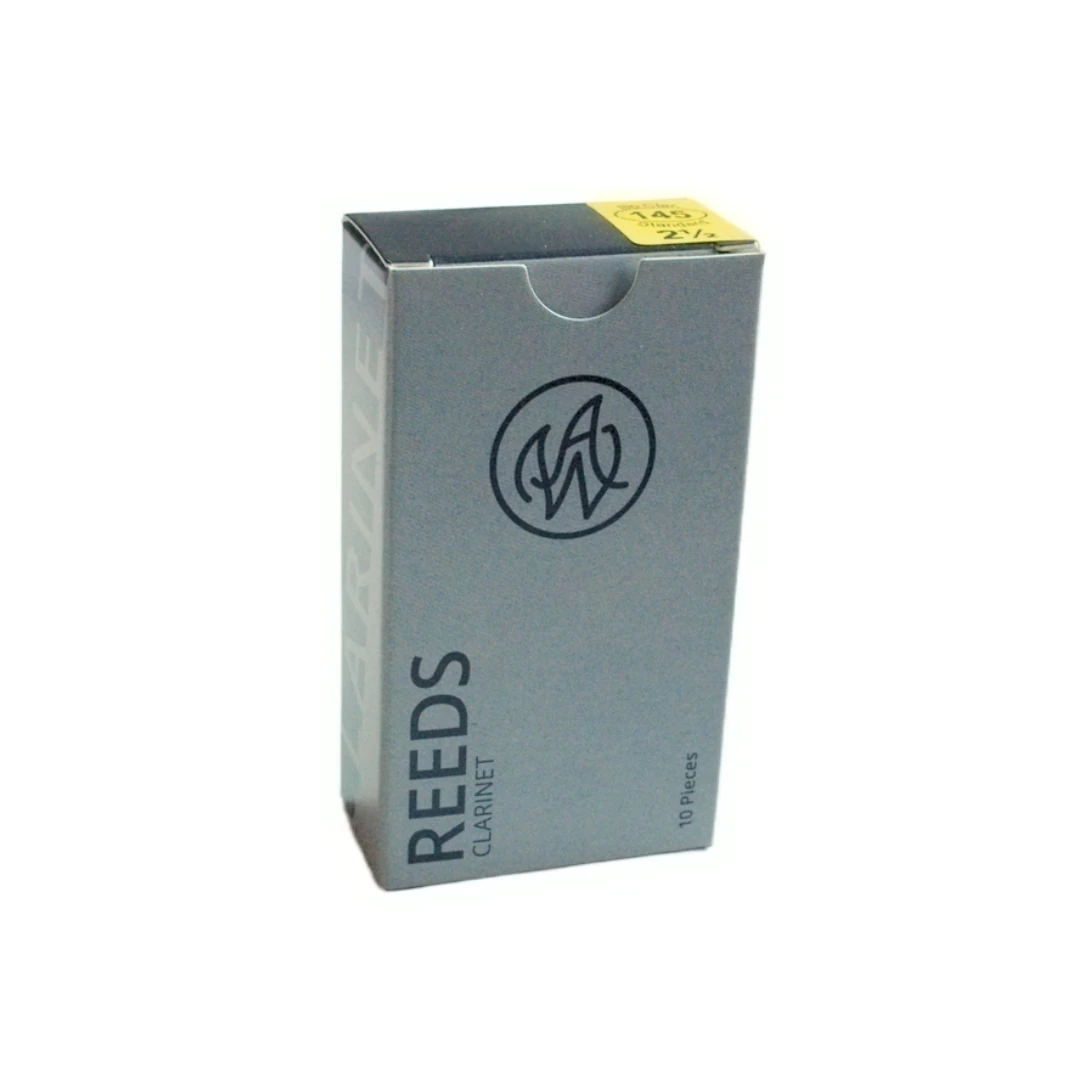
The 211 Vienna Cut is made for Viennese and Austrian mouthpieces, with a fine tip over a strong core, a dark full tone and even response across the registers. Available from strength 2 to 4+.
211 is the newest viennese type reed. The development was also helped by Stephan Mörth, Solo-Clarinetist of DSO Berlin.
2
2.5
3
3.5
4
4+
AW Woodwinds: 211 - Vienna
 from €38.90
from €38.90
Free shipping in Austria
Share: